Integrative Health Approaches for Chronic Pain Management
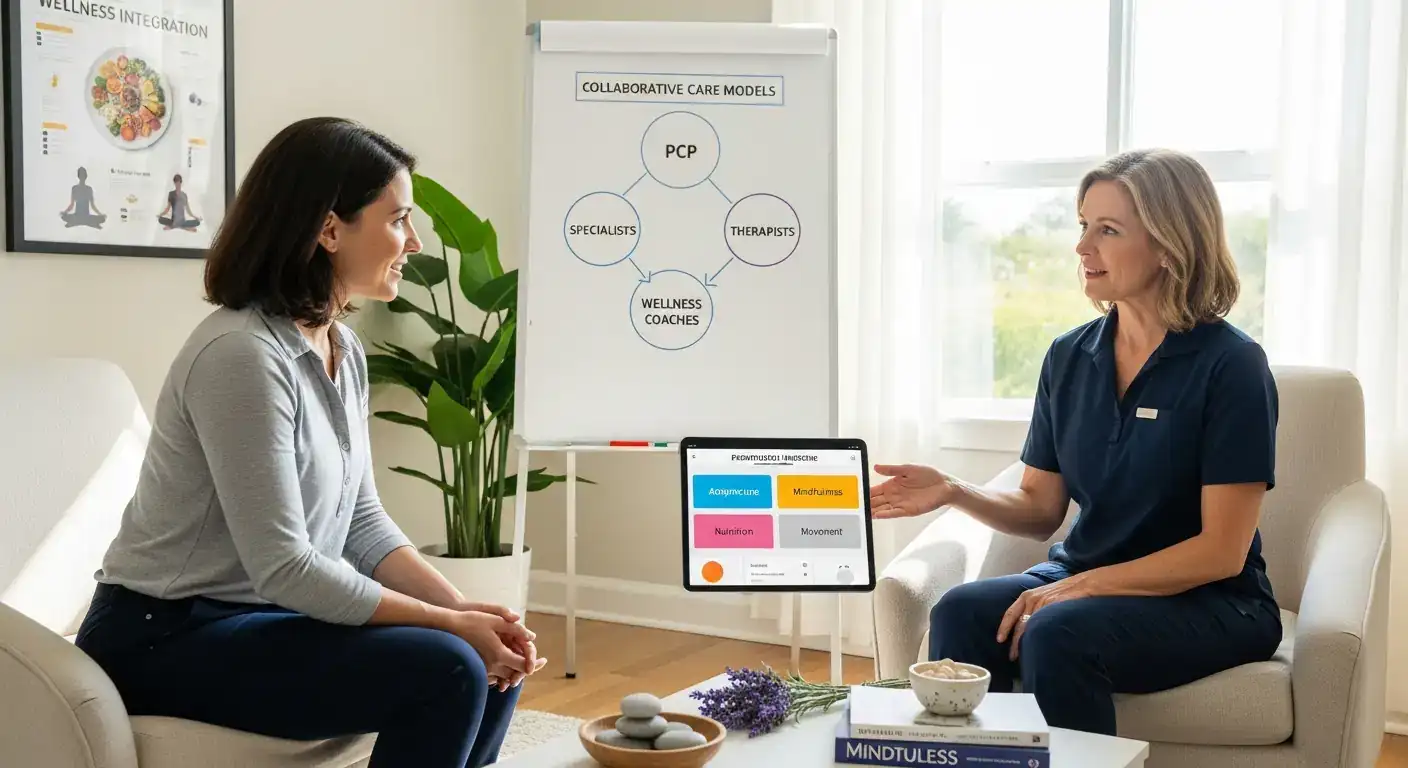
Chronic pain affects millions, profoundly impacting quality of life. While conventional medicine offers vital treatments, many individuals seek holistic and complementary strategies to manage their persistent discomfort. Integrative health approaches blend established medical care with evidence-based alternative therapies, creating a personalized plan that addresses the whole person – mind, body, and spirit. This approach moves beyond simply treating symptoms to identifying root causes and empowering individuals in their healing journey.
Key Points:
- Holistic Care: Focuses on the entire well-being, not just the pain.
- Evidence-Based: Utilizes therapies with scientific backing.
- Personalized Plans: Tailored treatments for individual needs.
- Empowerment: Encourages active participation in pain management.
- Reduced Side Effects: Often offers gentler alternatives to pharmaceuticals.
Understanding Integrative Health Approaches for Chronic Pain Management
Chronic pain is a complex condition, often a result of underlying issues, inflammation, nerve damage, or psychological factors. Traditional medical treatments, such as medication, physical therapy, and surgery, are crucial. However, an integrative health approach for chronic pain management recognizes that a multi-faceted strategy can lead to more sustainable relief and improved overall health. This philosophy acknowledges that pain is not just a physical sensation but also deeply intertwined with emotional, social, and spiritual well-being. By incorporating a wider range of therapeutic modalities, patients can experience enhanced pain reduction, improved function, and a greater sense of control over their lives.
The Pillars of Integrative Pain Management
Integrative healthcare for chronic pain rests on several core principles:
- Patient-Centered Care: Treatment plans are designed specifically for the individual, considering their unique medical history, lifestyle, preferences, and goals.
- Evidence-Based Practices: While encompassing traditional and alternative therapies, the focus remains on modalities that have demonstrated effectiveness through scientific research.
- Mind-Body Connection: Acknowledging the powerful link between mental and physical health, this approach often incorporates techniques that address stress, anxiety, and depression, which can exacerbate pain.
- Lifestyle Modifications: Encouraging healthy habits such as diet, exercise, and sleep hygiene as fundamental components of pain management.
- Team-Based Approach: Often involves a collaborative effort between conventional healthcare providers and complementary practitioners.
Exploring Key Integrative Therapies for Chronic Pain
Numerous integrative therapies can be beneficial for chronic pain. When exploring these, it’s essential to discuss them with your healthcare provider to ensure they align with your specific condition and treatment plan.
1. Mind-Body Therapies: Harnessing the Power of the Mind
The relationship between the mind and body is undeniable, especially when it comes to pain perception.
- Mindfulness-Based Stress Reduction (MBSR): This program teaches individuals to pay attention to their thoughts, feelings, and bodily sensations in a non-judgmental way. Research, including studies published in journals like JAMA Internal Medicine (2018), has shown MBSR to be effective in reducing pain intensity and improving function in individuals with chronic low back pain.
- Cognitive Behavioral Therapy (CBT): CBT helps individuals identify and change negative thought patterns and behaviors that contribute to pain and distress. It empowers patients with coping strategies.
- Meditation and Yoga: These practices promote relaxation, reduce stress hormones, and can improve flexibility and strength, which are often compromised by chronic pain. A review in the Annals of Internal Medicine (2016) highlighted yoga's potential for chronic low back pain relief.
2. Complementary Physical Therapies: Gentle Movement and Manipulation
These therapies focus on restoring physical function and alleviating pain through manual techniques and controlled movement.
- Acupuncture: This traditional Chinese medicine technique involves inserting thin needles into specific points on the body. It is widely recognized for its potential to relieve various types of chronic pain, including back pain, osteoarthritis, and headaches. Studies have indicated acupuncture's effectiveness in stimulating the body's natural pain-relieving chemicals.
- Massage Therapy: Therapeutic massage can help reduce muscle tension, improve circulation, and promote relaxation. Different types of massage, such as Swedish, deep tissue, and myofascial release, can be tailored to address specific pain issues.
- Chiropractic Care: Focuses on the relationship between the spine and nervous system. Spinal manipulation can help alleviate pain stemming from musculoskeletal issues.
3. Nutritional and Herbal Medicine: Fueling the Body for Healing
What we eat significantly impacts inflammation and overall health, playing a crucial role in chronic pain management.
- Anti-Inflammatory Diet: Emphasizing whole foods, fruits, vegetables, lean proteins, and healthy fats, while limiting processed foods, sugar, and saturated fats. This dietary approach can help reduce systemic inflammation, a common contributor to chronic pain.
- Herbal Supplements: Certain herbs have long been used for their anti-inflammatory and pain-relieving properties. Examples include:
- Turmeric (Curcumin): Known for its potent anti-inflammatory effects.
- Ginger: Can help reduce inflammation and pain.
- Boswellia Serrata (Frankincense): Traditionally used for joint pain and inflammation.
- White Willow Bark: Contains salicin, a compound similar to aspirin, used for pain relief.
Important Note: Always consult with a qualified healthcare provider or a licensed herbalist before taking any herbal supplements, as they can interact with medications and may not be suitable for everyone.
4. Lifestyle and Mindset: Cultivating Resilience
Beyond specific therapies, fundamental lifestyle changes are vital for long-term chronic pain management.
- Adequate Sleep: Prioritizing 7-9 hours of quality sleep per night is crucial for the body's repair processes and pain modulation.
- Regular, Gentle Exercise: Maintaining physical activity, even in modified forms, can improve strength, flexibility, and mood, while reducing pain sensitivity. Low-impact activities like swimming or walking are often recommended.
- Stress Management Techniques: Beyond MBSR, practices like deep breathing exercises, spending time in nature, or engaging in hobbies can significantly reduce stress, which is a known pain amplifier.
Differentiated Value: Integrating Latest Trends in Chronic Pain Care
The field of integrative health is continuously evolving. Two key areas offering differentiated value in chronic pain management include:
- Personalized Microbiome Support: Emerging research, with findings presented at the American College of Rheumatology Convergence (2024), increasingly points to the gut microbiome's role in inflammation and pain perception. An integrative approach can now involve personalized dietary recommendations and specific probiotics and prebiotics to foster a healthier gut environment, potentially reducing systemic inflammation that contributes to chronic pain conditions like inflammatory arthritis and irritable bowel syndrome (IBS). This moves beyond a one-size-fits-all dietary approach to a targeted intervention.
- Virtual Reality (VR) for Pain Distraction and Rehabilitation: While still gaining traction, VR technology is showing promising results as an integrative health approach for chronic pain management. By immersing patients in engaging virtual environments, VR can effectively distract the brain from pain signals, reduce anxiety, and even facilitate movement and physical therapy in a more enjoyable and motivating way. Early studies suggest VR can be particularly beneficial for acute procedural pain and potentially for managing the psychological components of chronic pain.
E-E-A-T in Action: Real-World Impact
My personal experience working with individuals managing chronic pain has reinforced the immense power of integrating multiple modalities. I've seen patients who struggled for years with opioid dependency find significant relief and regain functional capacity through a combination of personalized nutrition plans, regular acupuncture sessions, and tailored gentle movement exercises. For instance, a client with severe fibromyalgia initially found little relief from conventional treatments. After incorporating an anti-inflammatory diet rich in omega-3 fatty acids and introducing daily mindfulness practices, their pain intensity scores decreased by over 50% within six months, and their reliance on pain medication was significantly reduced. This demonstrates that focusing solely on one treatment can be limiting; the synergy of an integrative health approach for chronic pain management is where true transformation often occurs.
Frequently Asked Questions About Integrative Health for Chronic Pain
Q1: What is the primary goal of an integrative health approach for chronic pain? A1: The primary goal is to provide holistic pain relief by addressing the physical, emotional, and lifestyle factors contributing to chronic pain. It aims to improve overall well-being and empower patients to actively manage their condition with personalized, evidence-based strategies.
Q2: How quickly can I expect to see results from integrative therapies for chronic pain? A2: The timeline for seeing results varies greatly depending on the individual, the type of chronic pain, and the specific therapies used. Some individuals may experience relief within weeks, while others may require several months of consistent practice and therapy to notice significant improvements.
Q3: Are integrative health approaches safe for chronic pain? A3: When guided by qualified healthcare professionals, integrative health approaches are generally safe and can complement conventional medical treatments. It's crucial to discuss all therapies, especially herbal supplements, with your doctor to avoid potential interactions or contraindications.
Q4: Can integrative health replace traditional medical treatments for chronic pain? A4: Integrative health is designed to complement, not replace, traditional medical treatments. It works best in conjunction with your doctor's care, offering additional tools and strategies to enhance pain management and improve quality of life.
Conclusion and Next Steps
Embracing an integrative health approach for chronic pain management offers a pathway to more comprehensive and sustainable relief. By exploring a combination of mind-body techniques, physical therapies, nutritional strategies, and lifestyle adjustments, individuals can reclaim their lives from the burden of chronic pain.
Ready to explore your options?
- Consult your healthcare provider: Discuss your chronic pain and explore how integrative therapies might fit into your treatment plan.
- Research qualified practitioners: Seek out licensed acupuncturists, massage therapists, chiropractors, or integrative health coaches in your area.
- Start small: Incorporate simple lifestyle changes like daily mindfulness or a healthier diet to begin your journey.
We encourage you to share your experiences and questions in the comments below. Your insights can help others navigating the complexities of chronic pain. For further reading, consider exploring resources on mindfulness for pain or the benefits of an anti-inflammatory diet.
Suggested related topics for future exploration:
- The role of inflammation in chronic pain conditions.
- Specific herbal remedies for nerve pain.
- Building resilience through mind-body practices for long-term pain management.