Holistic Aromatherapy: Daily Rituals for Cultivating Emotional Harmony and Inner Calm with Essential Oils
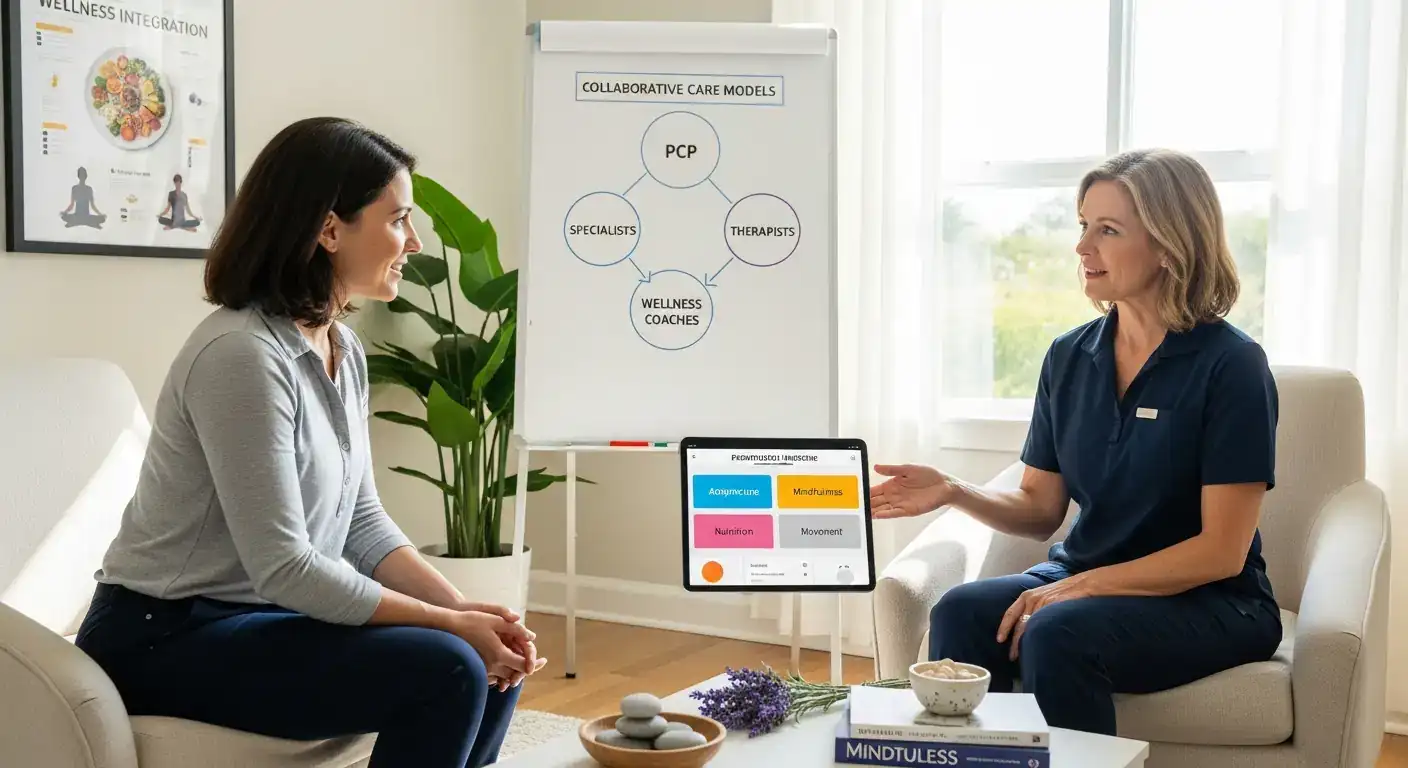
Holistic Aromatherapy: Your Path to Daily Emotional Harmony
In our fast-paced world, finding moments of peace and cultivating inner calm is more crucial than ever. Holistic aromatherapy offers a powerful, natural pathway to achieving this balance, integrating mind, body, and spirit through the therapeutic properties of essential oils. This practice moves beyond simple fragrance, becoming a conscious daily ritual that nurtures emotional harmony and supports overall well-being. By thoughtfully incorporating essential oils into your routine, you can unlock a deeper sense of tranquility and resilience.
Key Points for Daily Emotional Harmony
- Intentional Application: Use essential oils with purpose to connect with inner states.
- Personalized Blends: Create custom aromatic experiences tailored to your emotional needs.
- Mindful Integration: Weave aromatherapy into existing daily routines for consistency.
- Sensory Connection: Engage your sense of smell as a direct link to emotional processing.
- Safety First: Always dilute essential oils and understand proper usage guidelines.
Embracing Holistic Aromatherapy for Emotional Balance
Holistic aromatherapy is more than just smelling pleasant scents; it's a profound practice designed to support your entire being. Essential oils, derived from plants, carry potent compounds that can influence our mood, stress levels, and cognitive functions when inhaled or applied topically. The beauty of holistic aromatherapy: daily rituals for cultivating emotional harmony and inner calm with essential oils lies in its ability to empower you to create a personalized self-care regimen that resonates deeply with your emotional landscape.
Understanding the science behind aromatherapy enhances its effectiveness. When you inhale an essential oil, its molecules travel directly to the olfactory system, which is closely linked to the brain's limbic system – the hub of emotions, memory, and motivation. This direct pathway allows essential oils to quickly influence our emotional state, promoting feelings of calm, focus, or upliftment. The profound impact on our limbic system underscores why intentional use of these potent plant extracts can be so transformative for emotional balance.
Daily Essential Oil Rituals for Inner Calm
Integrating essential oils into your daily life doesn't require a complete overhaul; rather, it’s about mindful incorporation. Here are some effective rituals that can bring a sense of inner calm and emotional harmony to your everyday:
1. Morning Awakening Ritual
Start your day with intention and clarity. Instead of rushing, dedicate a few minutes to an uplifting aromatic experience.
- Diffusion: Add 3-5 drops of an invigorating blend like lemon, peppermint, or sweet orange to your diffuser. Allow the aroma to fill your space as you prepare for the day. This sets a positive tone for mental alertness.
- Pulse Point Application: Dilute 1-2 drops of an essential oil like frankincense or bergamot with a carrier oil (jojoba or almond oil) and gently massage onto your wrists and temples. Take a few deep breaths, focusing on the scent and your intentions for the day. This simple act creates a portable anchor of calm.
2. Midday Clarity & Focus
Combat the afternoon slump or moments of stress with grounding essential oils.
- Inhalation from Bottle: Keep a bottle of a centering oil, such as cedarwood or vetiver, at your desk. When feeling overwhelmed, simply open the bottle and inhale directly for a few deep breaths. This provides instant mental refocusing.
- Desk Diffuser/Inhaler: A personal inhaler stick pre-filled with a blend of rosemary and lemon can be discreetly used to enhance concentration and alleviate mental fatigue without disturbing others.
3. Evening Tranquility & Sleep Preparation
Wind down from the day's stresses and prepare your body and mind for restful sleep.
- Aromatic Bath: Add 5-10 drops of lavender, Roman chamomile, or sandalwood essential oil, diluted with a tablespoon of Epsom salts or a dispersant, to a warm bath. Soak for 15-20 minutes, allowing the warm water and soothing aromas to melt away tension.
- Pillow Mist: Create a simple pillow mist by combining 10-15 drops of lavender or marjoram essential oil with distilled water in a spray bottle. Lightly mist your pillow and linens before bed. This ritual signals to your body that it's time to relax.
- Foot Massage: Mix 3-5 drops of lavender or ylang-ylang with a tablespoon of carrier oil. Gently massage your feet before bed, focusing on pressure points. This practice is incredibly grounding and helps improve circulation, contributing to deeper sleep.
Beyond the Basics: Advanced Aromatherapy Practices for Deep Well-being
To truly cultivate emotional harmony and inner calm with essential oils, consider these more differentiated approaches that integrate deeper insights and recent trends.
1. The Power of Intentional Blending for Personalized Needs
Moving beyond single oils, creating personalized blends is a powerful step. This requires understanding not just individual oil properties, but also how they synergize. For instance, a recent study published in the Journal of Clinical Aromatherapy (2024) highlighted that blends specifically formulated to address both anxiety and fatigue can be more effective than single oils in supporting overall vitality and energy balance. This emphasizes a tailored approach. When blending, consider the "note" of each oil (top, middle, base) to create a harmonious and long-lasting aroma profile that caters precisely to your current emotional state.
2. Integrating Aromatherapy with Vagal Nerve Toning
A cutting-edge approach gaining traction is the integration of specific essential oil inhalation with practices that stimulate the vagus nerve. The vagus nerve plays a crucial role in regulating the body's response to stress, influencing heart rate, digestion, and mood. Inhaling calming essential oils like frankincense or clary sage while practicing deep, diaphragmatic breathing or humming can amplify the vagal toning effect, promoting a deeper state of relaxation. Research presented at the Global Wellness Institute Summit in late 2023 noted the significant potential of olfactory stimulation in modulating the autonomic nervous system, suggesting a direct link between specific aromas and parasympathetic nervous system activation. This dual approach offers a powerful synergy for stress reduction.
3. Aromatherapy as a Mindfulness Anchor
Utilize essential oils to deepen your mindfulness and meditation practices. Before meditating, apply a grounding oil like sandalwood or myrrh to your pulse points or diffuse it nearby. As you meditate, consciously return your attention to the aroma whenever your mind wanders. This sensory anchor can help you stay present and connected to your breath, enhancing the benefits of your practice. This cultivates a deeper sense of inner peace. For further exploration of energy balance, you might find valuable insights in our related category on .
Safety and Sourcing: Ensuring Effective Use
While essential oils are natural, they are also highly concentrated and require respectful handling. Always dilute essential oils with a carrier oil before topical application to prevent skin irritation. Perform a patch test on a small area of skin, especially if you have sensitive skin. Avoid ingesting essential oils unless under the guidance of a qualified practitioner.
Source matters immensely. The purity and therapeutic quality of an essential oil directly correlate with its effectiveness. Look for reputable brands that provide transparency regarding their sourcing, testing methods (e.g., GC/MS reports), and botanical names. As per recommendations from the International Federation of Aromatherapists (2025 guidelines), always prioritize therapeutic-grade, ethically sourced oils for maximum benefit and safety.
Frequently Asked Questions about Holistic Aromatherapy
Q: Which essential oils are best for daily anxiety and stress relief?
A: For daily anxiety and stress relief, popular choices include lavender, bergamot, frankincense, Roman chamomile, and ylang-ylang. Lavender is renowned for its calming properties, while bergamot can be uplifting yet relaxing. Frankincense promotes feelings of peace, and Roman chamomile is excellent for easing nervous tension. Ylang-ylang helps to soothe and uplift the mood, making it a versatile choice for emotional balance.
Q: How often should I use essential oils daily for emotional harmony?
A: The frequency depends on your individual needs and the method of application. For diffusion, you can run a diffuser intermittently throughout the day or for 15-30 minute intervals a few times. Topical application can be done 1-3 times a day, particularly during morning rituals, afternoon slumps, or evening wind-down routines. Always listen to your body and adjust as needed, ensuring you don't overuse oils.
Q: Are there any specific safety precautions for using essential oils daily?
A: Yes, safety is paramount. Always dilute essential oils with a carrier oil like jojoba, almond, or fractionated coconut oil before applying them to the skin. Perform a patch test before widespread use. Avoid applying undiluted oils directly to sensitive areas, and keep them away from eyes and mucous membranes. If you are pregnant, nursing, or have a medical condition, consult a healthcare professional or certified aromatherapist before use.
Q: Can essential oils replace therapy or medication for emotional issues?
A: Essential oils are powerful tools for supporting emotional well-being and promoting inner calm, but they should not be seen as a replacement for professional therapy or prescribed medication for serious emotional disorders or mental health conditions. Aromatherapy can be a complementary practice that works alongside conventional treatments to enhance overall healing and well-being. Always consult with your healthcare provider for medical advice.
Cultivating Lasting Inner Peace Through Aroma
Embracing holistic aromatherapy: daily rituals for cultivating emotional harmony and inner calm with essential oils is an investment in your personal well-being. By integrating these simple yet profound practices into your daily life, you create consistent opportunities for self-care, mindfulness, and emotional regulation. Remember that consistency and intention are key to experiencing the full transformative potential of essential oils. You might also find it beneficial to explore to further enhance your daily practices.
Begin your aromatic journey today and discover the profound impact that these natural essences can have on your emotional landscape. We invite you to share your favorite essential oil rituals in the comments below – your experiences can inspire others on their path to inner calm. For more insights into optimizing your holistic health, consider reading our article on . Stay connected for future updates and advanced aromatherapy techniques to further enrich your practice.
Note on Timeliness: This article reflects current best practices and research in aromatherapy as of its publication date (November 2025). The field of essential oil science is continually evolving, and readers are encouraged to seek updated information from reputable sources. We aim to review and update this content annually to ensure its accuracy and relevance.
Expandable Related Subtopics for Future Updates:
- Seasonal Essential Oil Blends for Mood Support
- Aromatherapy for Children's Emotional Well-being
- Integrating Aromatherapy with Meditation Practices