Holistic Approaches to Natural Detoxification: A Comprehensive Guide
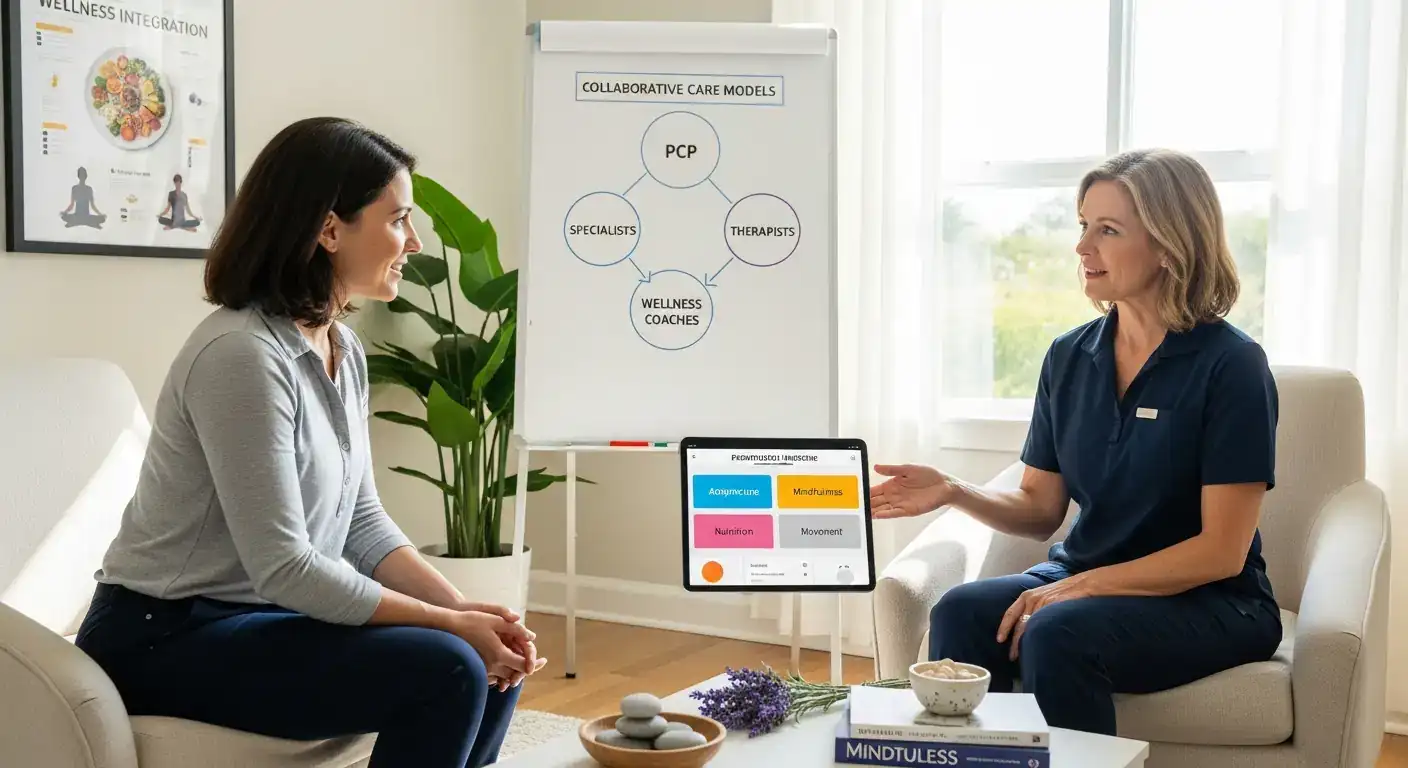
Embracing a lifestyle that supports natural detoxification is a cornerstone of holistic wellness. Our bodies are constantly working to eliminate toxins, but modern living often overwhelms these natural processes. This comprehensive guide explores holistic approaches to natural detoxification, offering practical strategies to aid your body's innate ability to cleanse itself. By focusing on gentle, sustainable methods, you can revitalize your health, boost energy levels, and promote overall well-being.
Key Points:
- Understand your body's natural detoxification pathways.
- Explore dietary adjustments for effective cleansing.
- Learn the role of hydration and movement in detoxification.
- Discover the impact of stress management and sleep.
- Integrate mindful practices for sustained wellness.
Understanding Natural Detoxification
Detoxification is the body's inherent ability to neutralize, transform, and eliminate harmful substances, both internal and external. These toxins can range from metabolic byproducts and cellular waste to environmental pollutants and chemicals found in food and products. Our primary detoxification organs include the liver, kidneys, lungs, lymphatic system, and skin. When these systems are functioning optimally, they efficiently process and remove unwanted substances. However, chronic exposure to toxins, poor diet, stress, and inadequate sleep can impair their effectiveness, leading to a buildup of harmful compounds in the body.
A holistic approach to natural detoxification views the body as an interconnected system. It emphasizes supporting these natural processes through lifestyle choices rather than relying on extreme or artificial interventions. This means looking beyond a quick-fix "detox" diet and instead focusing on creating sustainable habits that promote long-term health and resilience. By understanding how toxins impact our bodies and how to support our natural cleansing mechanisms, we can achieve a profound level of well-being.
The Body's Natural Detoxification Pathways
Our bodies are remarkably designed for self-cleaning. The liver is the primary detoxification hub, metabolizing and transforming toxins into less harmful substances that can be excreted. The kidneys filter waste products from the blood and excrete them in urine. The lungs remove gaseous waste products, while the lymphatic system transports waste and immune cells throughout the body. The skin also plays a role through perspiration. Supporting these pathways is crucial for effective holistic detoxification.
Dietary Strategies for Natural Detoxification
Nutrition plays a pivotal role in supporting the body's detoxification processes. What we consume directly impacts our organs' ability to function efficiently and clear out waste. Focusing on whole, unprocessed foods provides the necessary nutrients and antioxidants to aid in this vital work.
Incorporating Detox-Promoting Foods
Certain foods are particularly beneficial for supporting detoxification. These include:
- Leafy Greens: Spinach, kale, and collard greens are packed with antioxidants and chlorophyll, which can help bind to toxins and facilitate their removal.
- Cruciferous Vegetables: Broccoli, cauliflower, and Brussels sprouts contain compounds that support liver enzymes involved in detoxification.
- Berries: Rich in antioxidants, berries help combat free radical damage that can arise during detoxification.
- Garlic and Onions: These alliums contain sulfur compounds that are essential for liver detoxification pathways.
- Citrus Fruits: Lemons and limes provide vitamin C and can help stimulate bile production, aiding in waste elimination.
- Herbs and Spices: Turmeric, ginger, cilantro, and parsley offer anti-inflammatory and antioxidant properties.
The Importance of Hydration
Water is essential for every bodily function, including detoxification. It helps the kidneys flush out waste products and supports the transport of nutrients to cells and toxins away from them. Aim for at least 8 glasses of filtered water daily. Infusing water with lemon, cucumber, or mint can make it more palatable and add a touch of detoxification support.
Limiting Toxin Exposure Through Diet
Just as important as adding beneficial foods is reducing the intake of substances that can burden the body. This includes:
- Processed Foods: Often high in artificial ingredients, unhealthy fats, and refined sugars.
- Excessive Sugar: Can contribute to inflammation and burden the liver.
- Alcohol: Puts significant strain on the liver's detoxification capacity.
- Artificial Sweeteners and Additives: Many can be difficult for the body to process.
Lifestyle Practices for Enhanced Detoxification
Beyond diet, several lifestyle practices significantly enhance our body's natural cleansing abilities. These often go overlooked but are fundamental to a truly holistic approach to natural detoxification.
The Role of Movement and Exercise
Physical activity stimulates circulation, which helps move lymph fluid and blood, aiding in the removal of waste products. Sweating during exercise also allows the skin to excrete toxins. Aim for regular moderate exercise, such as brisk walking, yoga, swimming, or cycling.
Stress Management and Emotional Well-being
Chronic stress can negatively impact detoxification pathways by affecting hormone balance and gut health. Practices like meditation, deep breathing exercises, spending time in nature, and engaging in hobbies can significantly reduce stress levels. Releasing emotional toxins, such as anger and resentment, is also an integral part of a holistic cleanse.
Prioritizing Quality Sleep
Sleep is when the body undergoes its most critical repair and detoxification processes, particularly in the brain via the glymphatic system. Aim for 7-9 hours of quality sleep per night. Establishing a consistent sleep schedule and creating a relaxing bedtime routine can improve sleep quality.
Advanced and Differentiated Detoxification Strategies
While the core principles of diet, hydration, movement, and stress management form the foundation of natural detoxification, incorporating advanced and differentiated strategies can amplify these benefits. These often involve a deeper understanding of physiological processes and the integration of mind-body connection.
Supporting the Gut Microbiome
A significant portion of the body's immune system and detoxification processes are linked to the gut. A healthy gut microbiome, populated by beneficial bacteria, plays a crucial role in breaking down toxins, producing essential nutrients, and maintaining the gut barrier's integrity.
- Probiotic-Rich Foods: Incorporate fermented foods like sauerkraut, kimchi, kefir, and yogurt (unsweetened).
- Prebiotic Foods: Consume foods high in fiber that feed beneficial bacteria, such as onions, garlic, leeks, asparagus, and apples.
- Consider Supplements: If dietary intake is insufficient, consult with a healthcare professional about high-quality probiotic and prebiotic supplements.
According to a review published in Microbiome (2024), the gut microbiota actively metabolizes xenobiotics (external chemical compounds), influencing their bioavailability and toxicity, highlighting its direct role in detoxification.
Environmental Toxin Awareness and Reduction
Modern environments are rife with potential toxins from plastics (BPA), personal care products (parabens, phthalates), cleaning supplies, and airborne pollutants. A truly holistic approach involves minimizing exposure.
- Choose Natural Products: Opt for organic personal care items and eco-friendly cleaning supplies.
- Filter Water and Air: Use water filters and consider air purifiers to reduce contaminants.
- Reduce Plastic Use: Opt for glass or stainless steel for food storage and water bottles.
This conscious reduction of external toxin load before the body needs to process it is a key differentiator in long-term health management and an advanced aspect of natural detoxification.
Frequently Asked Questions
Q1: How long does a natural detoxification process typically take? A1: Natural detoxification is an ongoing process, not a one-time event. Supporting your body's natural pathways through consistent healthy habits is key. For more intense cleansing phases, results may be noticeable within a few weeks, but sustained well-being requires lifelong commitment to these practices.
Q2: Are there any side effects of natural detoxification? A2: When done gently and holistically, side effects are usually minimal and temporary, such as mild fatigue or changes in bowel movements. Extreme or rapid detox methods can lead to more significant adverse reactions. Listening to your body is paramount.
Q3: Can I detoxify if I have a chronic health condition? A3: Yes, but it's crucial to consult with a healthcare professional before starting any new detoxification regimen, especially if you have pre-existing health conditions. They can help tailor an approach that is safe and effective for your specific needs.
Conclusion and Next Steps
Embarking on a journey of holistic approaches to natural detoxification is a powerful step towards revitalizing your health and enhancing your overall well-being. By focusing on nourishing your body with whole foods, staying adequately hydrated, engaging in regular movement, managing stress effectively, and prioritizing sleep, you empower your body's innate cleansing abilities. Remember, this is not about drastic measures but about cultivating sustainable habits that support your body's natural rhythms.
Next Steps:
- Start Small: Choose one or two dietary or lifestyle changes to implement this week.
- Hydrate Consistently: Make a conscious effort to drink more water throughout the day.
- Explore Gut Health: Research probiotic and prebiotic foods and consider incorporating them into your meals.
- Mindful Movement: Find an activity you enjoy and commit to it regularly.
- Prioritize Sleep: Create a calming bedtime routine and aim for consistent sleep patterns.
We encourage you to share your experiences and insights in the comments below. What are your favorite natural detoxification strategies? For more information on supporting your body's natural processes, consider exploring related articles on balanced nutrition and stress resilience.
(Content published on 2026-01-24. This guide provides fundamental information; consult with a healthcare professional for personalized advice. Information is considered current as of publication date, with recommendations for annual reviews to incorporate latest wellness trends and research.)