Embracing Integrative Health for Sustainable Personal Wellness
Embracing Integrative Health for Sustainable Personal Wellness
In an increasingly complex world, the pursuit of well-being often feels fragmented. We treat symptoms in isolation, overlooking the intricate web that connects our physical, mental, and emotional states. This is where embracing integrative health for sustainable personal wellness offers a transformative path. Integrative health is not merely an alternative; it's a comprehensive philosophy that combines conventional medicine with evidence-based complementary therapies, focusing on the whole person. It empowers individuals to become active participants in their health journey, fostering resilience and promoting lasting vitality rather than just managing illness. This holistic approach is crucial for achieving truly sustainable well-being in the long run.
Key Points for Sustainable Wellness:
- Holistic View: Addresses mind, body, and spirit.
- Personalized Care: Tailored to individual needs.
- Preventative Focus: Emphasizes proactive health measures.
- Evidence-Based: Integrates conventional and complementary therapies.
- Empowerment: Encourages active participation in one's health journey.
Understanding the Core Principles of Integrative Health
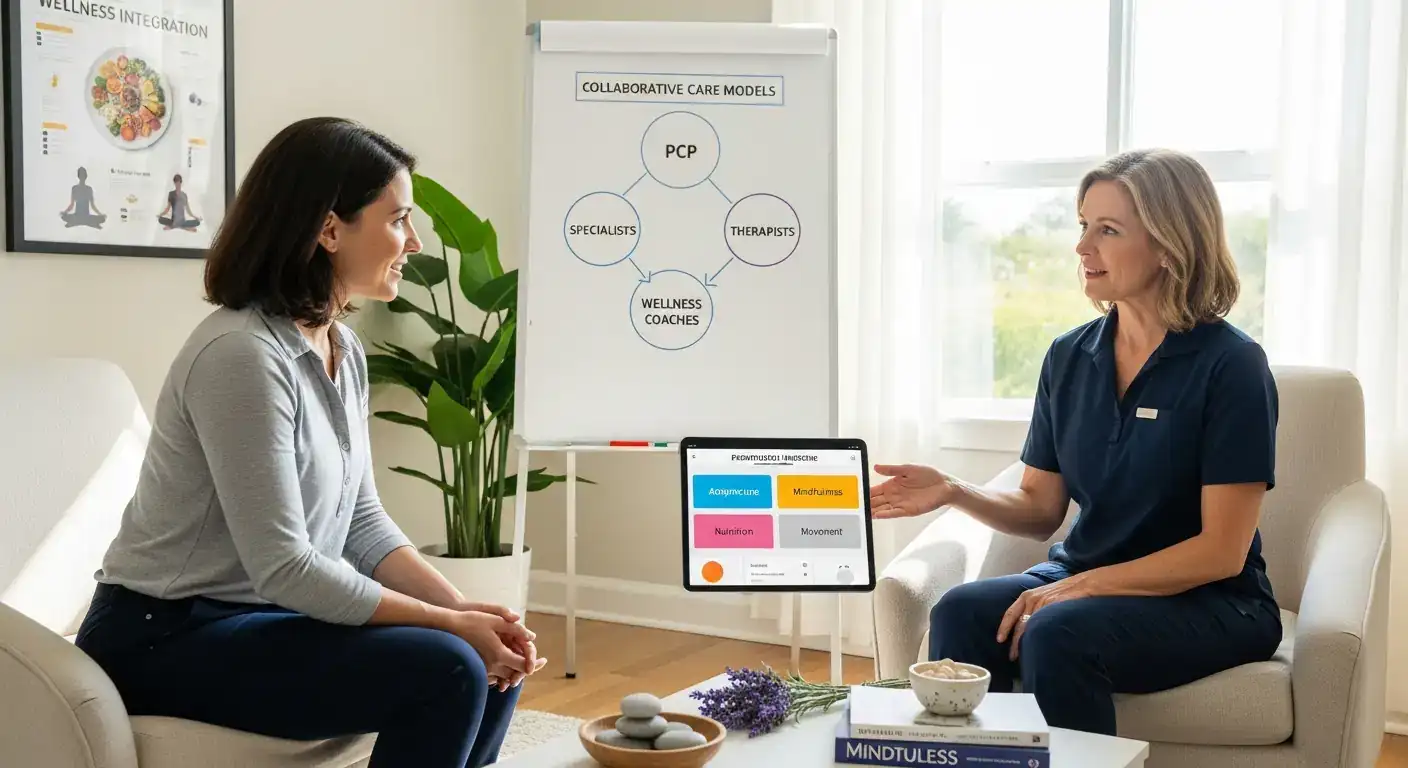
Integrative health represents a paradigm shift from reactive disease management to proactive health optimization. It acknowledges that health is more than the absence of disease; it's a dynamic state of balance and vitality. At its heart, integrative health champions a patient-centered approach, where the individual's unique circumstances, preferences, and values guide treatment decisions. This collaborative model often involves a team of practitioners, from physicians and nutritionists to acupuncturists and mental health therapists, all working together to support the individual's journey towards sustainable personal wellness. It’s about creating a comprehensive strategy that addresses root causes, not just surface-level issues.
The Pillars of Sustainable Personal Wellness
Achieving sustainable personal wellness through an integrative lens requires attention to several interconnected pillars. These foundational elements work synergistically, meaning improvements in one area often positively impact others. Neglecting any one pillar can create imbalances that hinder overall well-being and make long-term health goals difficult to maintain.
Mind-Body Connection: Beyond Stress Management
The profound link between our thoughts, emotions, and physical health is a cornerstone of integrative health. Chronic stress, for instance, can manifest as digestive issues, sleep disturbances, or even weakened immunity. Integrative approaches emphasize practices that nurture this connection, moving beyond simple stress reduction to cultivate genuine emotional resilience. Techniques like mindfulness meditation, yoga, tai chi, and deep breathing exercises are not just relaxation tools; they are powerful interventions that can alter brain chemistry and improve physiological function. A 2023 review in Mind-Body Medicine Journal highlighted how consistent mindfulness practice significantly reduces inflammatory markers and improves cardiovascular health outcomes.
Nutritional Foundations: Fueling Your Future
Food is medicine, and an integrative approach to nutrition goes beyond calorie counting. It focuses on nutrient density, gut health, and personalized dietary needs. Understanding how specific foods impact inflammation, energy levels, and mood is vital for embracing integrative health. This might involve exploring whole, unprocessed foods, identifying food sensitivities, or incorporating targeted supplements under professional guidance. For example, the role of the gut microbiome in overall health, including mental well-being, is a rapidly expanding area of research. A study published in Gut Health & Microbiome Research in late 2024 demonstrated a direct correlation between dietary fiber intake and improved mood scores in participants following an integrative nutrition plan.
Movement and Rest: The Rhythms of Health
Physical activity is essential, but it doesn't always mean intense workouts. Integrative health encourages movement that is enjoyable and sustainable, tailored to individual capabilities and preferences. This could range from daily walks and gardening to strength training or dancing. Equally important is adequate, restorative sleep. Sleep is when our bodies repair, consolidate memories, and regulate hormones. Chronic sleep deprivation undermines every aspect of health. Creating a consistent sleep hygiene routine and addressing underlying sleep disorders are critical steps towards sustainable personal wellness. The American Academy of Sleep Medicine's 2025 guidelines emphasize personalized sleep interventions as a key component of preventative care.
Environmental and Social Well-being
Our environment, both natural and social, profoundly impacts our health. Exposure to toxins, lack of access to green spaces, and social isolation can all contribute to chronic health issues. Integrative health encourages mindful engagement with our surroundings and fostering strong, supportive relationships. Spending time in nature, minimizing exposure to environmental pollutants, and cultivating a sense of community are vital, often overlooked, aspects of holistic well-being. This broader perspective differentiates integrative health, recognizing that health extends beyond the individual's body to their entire ecosystem.
Personalized Health Plans: A Differentiated Approach
One of the most compelling aspects of embracing integrative health is its commitment to personalization. Unlike a one-size-fits-all model, integrative health recognizes that each individual is unique, with distinct genetic predispositions, lifestyle factors, and health histories.
Bio-Individuality and Advanced Diagnostics
Integrative practitioners often utilize advanced diagnostic tools that delve deeper than conventional tests. This can include comprehensive nutritional panels, gut microbiome analysis, genetic testing for specific health risks, and detailed assessments of hormone levels. This data allows for a truly bio-individualized approach, identifying subtle imbalances or predispositions before they escalate into chronic conditions. For instance, understanding an individual's genetic markers for detoxification pathways can inform personalized dietary and supplement recommendations, a level of detail often missed in standard care. This proactive, data-driven strategy is a key differentiator in achieving sustainable personal wellness.
Proactive Prevention and Health Coaching
Beyond diagnostics, integrative health places a strong emphasis on proactive prevention and lifestyle interventions. This often involves working with health coaches who guide individuals in implementing sustainable changes. These coaches provide accountability, education, and support, helping bridge the gap between knowing what to do and actually doing it. This ongoing support system is crucial for long-term success, fostering self-efficacy and empowering individuals to take ownership of their health. The focus shifts from merely treating illness to actively cultivating health and resilience, a significant departure from traditional models.
Implementing Integrative Health Practices
Adopting an integrative health approach doesn't require an overnight overhaul. It's a journey of gradual, intentional changes.
Practical Steps for Daily Life
- Mindful Eating: Pay attention to hunger cues and savor meals.
- Daily Movement: Incorporate short walks or stretches throughout the day.
- Stress Reduction: Dedicate 10-15 minutes daily to meditation or deep breathing.
- Quality Sleep: Establish a consistent bedtime routine.
- Hydration: Drink plenty of water throughout the day.
- Nature Connection: Spend time outdoors, even if it's just a few minutes.
Overcoming Common Challenges
The path to sustainable personal wellness can have hurdles. Time constraints, financial considerations, and skepticism are common. Start small, focus on one or two changes at a time, and seek support from a qualified integrative health practitioner. Many resources are available, from online communities to local wellness centers, to help navigate this journey. For more information on navigating lifestyle changes, readers can explore related articles on habit formation and goal setting.
The Long-Term Benefits of Integrative Wellness
The commitment to embracing integrative health yields profound and lasting benefits. Individuals often report increased energy, improved mood, better sleep, enhanced cognitive function, and a stronger sense of purpose. Beyond symptom relief, it cultivates a deeper understanding of one's body and fosters a resilient mindset capable of navigating life's challenges. This holistic foundation builds a robust platform for lifelong health and vitality, making wellness not just a goal, but a way of life.
Frequently Asked Questions (FAQ)
Q1: What exactly is integrative health, and how does it differ from conventional medicine? Integrative health is a comprehensive approach that combines conventional medical treatments with evidence-based complementary therapies, focusing on the whole person – mind, body, and spirit. Unlike conventional medicine, which often targets specific diseases or symptoms, integrative health aims to understand and address the root causes of imbalance, promoting overall well-being and prevention. It emphasizes a collaborative partnership between patient and practitioner.
Q2: Is sustainable personal wellness achievable for everyone, regardless of their current health status? Yes, sustainable personal wellness is a journey accessible to everyone, regardless of their starting point. While the path may look different for each individual, the principles of integrative health can be adapted to any health status. The focus is on making incremental, personalized changes that support the body's innate healing capabilities and foster long-term resilience, improving quality of life for all.
Q3: What are the first steps to adopting an integrative health approach in my daily life? Begin by assessing your current lifestyle and identifying one or two areas where you can make small, impactful changes. This could be incorporating a daily 15-minute walk, improving your sleep hygiene, or adding more whole foods to your diet. Consulting with an integrative health practitioner can provide personalized guidance and help you create a tailored plan that aligns with your specific health goals and needs.
Q4: How does integrative health address mental health alongside physical health? Integrative health views mental and physical health as inextricably linked. It addresses mental well-being through various modalities, including nutritional support for brain health, stress-reduction techniques like mindfulness, adequate sleep, and therapeutic interventions such as counseling or cognitive behavioral therapy. This holistic approach recognizes that emotional balance is fundamental to overall physical health and sustainable personal wellness.
Take the Next Step Towards Your Wellness Journey
Embracing integrative health for sustainable personal wellness is an investment in your future. It's about cultivating a life of vitality, resilience, and profound well-being. We encourage you to explore the principles discussed here and consider how they might enrich your own health journey. Start by identifying one small change you can implement today.
Share your thoughts and experiences in the comments below – your insights can inspire others! For more in-depth knowledge on specific aspects of holistic living, consider subscribing to our newsletter for regular updates and extended reading suggestions on topics like advanced stress reduction methods and personalized dietary protocols.